
Hi, I’m Sara Beth
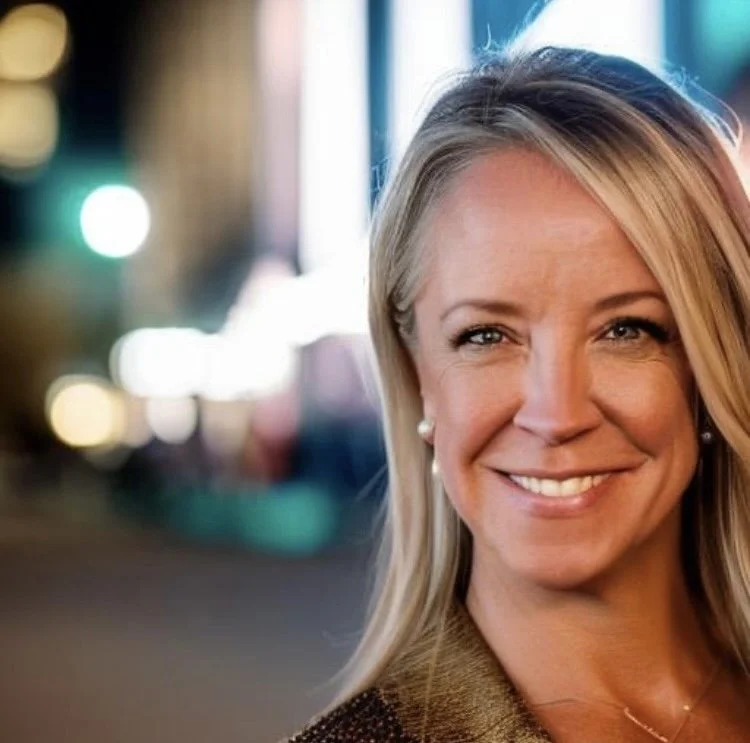
Sara Beth Bare, FNP-C
My path to motherhood didn't follow the timeline I expected, but it taught me nearly everything I know about resilience, advocacy, and the kind of care every parent deserves. As a Nurse Practitioner, I thought I understood the healthcare system well. Then I found myself navigating it as a patient, and that changed everything about how I practice today.
It began with a conversation with my OB/GYN, who reviewed some bloodwork and told me it was time to act on my family planning goals. I started fertility treatments, IUI with a donor, in 2019 and 2020, having decided I would try three times, and if it didn't work, pursue fostering or adoption.
On New Year's Eve 2022, my first and only foster placement arrived at my door. I became "mom" to a two-year-old girl, and the instincts of motherhood I'd never had the chance to use fell perfectly into place for what she needed in that season. We grew together for six months, until she reunited with her family of origin.
That experience showed me a version of myself that was so much richer than the single, career-focused woman I had always taken pride in being. I knew my heart wouldn't rest until I had a family of my own. In the months that followed, I tried to pour that love into other things: a tomato garden, a couple of short-lived relationships, time with friends and sunshine, but nothing eased the ache.
I was seriously considering a move to Alaska to reset when an opportunity came up to transfer to Greenville instead, to be closer to family. That move gave me a fresh perspective on my fertility journey, and I received two donor embryos from a North Carolina family who had completed their own family and had two remaining.
The path from there was not straightforward. My first embryo transfer was successful, but over the course of the pregnancy my body mounted an increasingly aggressive immune response, as if the embryo were a pathogen, and I ultimately lost the pregnancy. My second transfer caused lymph node swelling and didn't implant. My third implanted, but my body reacted even faster and more aggressively, and I lost that pregnancy too.
At that point, I felt my reproductive endocrinologist wasn't fully hearing what I was telling him about how my body was responding. I was devastated. Something so many women take for granted felt entirely out of reach for me. So I took a step back. I met with a naturopath, did detoxification work, continued acupuncture, and researched everything I could find. When I returned to my fertility provider with what I'd learned, he agreed to try an autoimmune protocol on the next transfer. That transfer worked beautifully, and it gave me my daughter, Wilder Grace.
Even with that hard-won success, pregnancy wasn't finished testing me. About a month before Wilder arrived, my blood pressure began climbing, and I developed worsening symptoms of preeclampsia. I was admitted to the hospital with severe preeclampsia and started on IV medication and magnesium. Labor stalled, leading to an emergency C-section, and postpartum preeclampsia set in soon after, complicating my recovery. On top of that, a severe iron deficiency anemia went undiagnosed for a time; my OB dismissed my symptoms rather than investigating them.
That experience changed how I think about care, both as a patient and as a Nurse Practitioner. It made me passionate about getting to the root of a problem instead of masking it with a prescription and moving on. We shouldn't have to accept that feeling unwell throughout the postpartum year, often the first year of our child's life, is simply the price of becoming a parent.
I believe that if we stopped normalizing postpartum suffering as inevitable, we'd go a long way toward addressing the maternal mental health crisis before it ever reaches a crisis point. That belief is at the center of everything I do.